← 返回作品 / Back to index
Marché du Film, Cannes戛纳电影市场

79th Festival de Cannes official poster · Photo: Roland Neveu © MGM Studios; design © Hartland Villa
从展示项目,到建立商业判断From presenting a film to making a business decision
在 Marché du Film 的国家馆、公司展台与行业交流现场,观察电影项目如何被展示、筛选和讨论。照片记录的是个人到访与观察,不代表参展机构的工作履历或已促成交易。
Observations from national pavilions, company stands and industry gatherings at the Marché du Film: how film projects are presented, filtered and discussed. These photographs document a personal visit, not employment with the organisations pictured or deals completed.
我的参与 / My involvement
关注市场空间、项目表达与交流流程,并将这些观察带回对电影市场服务设计的思考。
Observed market spaces, project presentation and networking processes, then connected those observations with questions about film-market service design.
国家馆与公司展台各自表达什么
Different spaces, different propositions
国家馆展示地区资源与合作环境,公司展台围绕片单与项目展开沟通。两者分别回应“在哪里合作”与“合作什么”。
National pavilions present regional resources and collaboration environments, while company stands focus on slates and projects: where to collaborate, and what to collaborate on.
给下一次对话留下依据
Create a basis for the next conversation
清晰的类型、项目阶段与市场信息,让感兴趣的人判断是否值得进一步看片、约见与跟进。
Clear information about genre, project stage and market positioning helps interested participants decide whether to watch, meet and follow up.
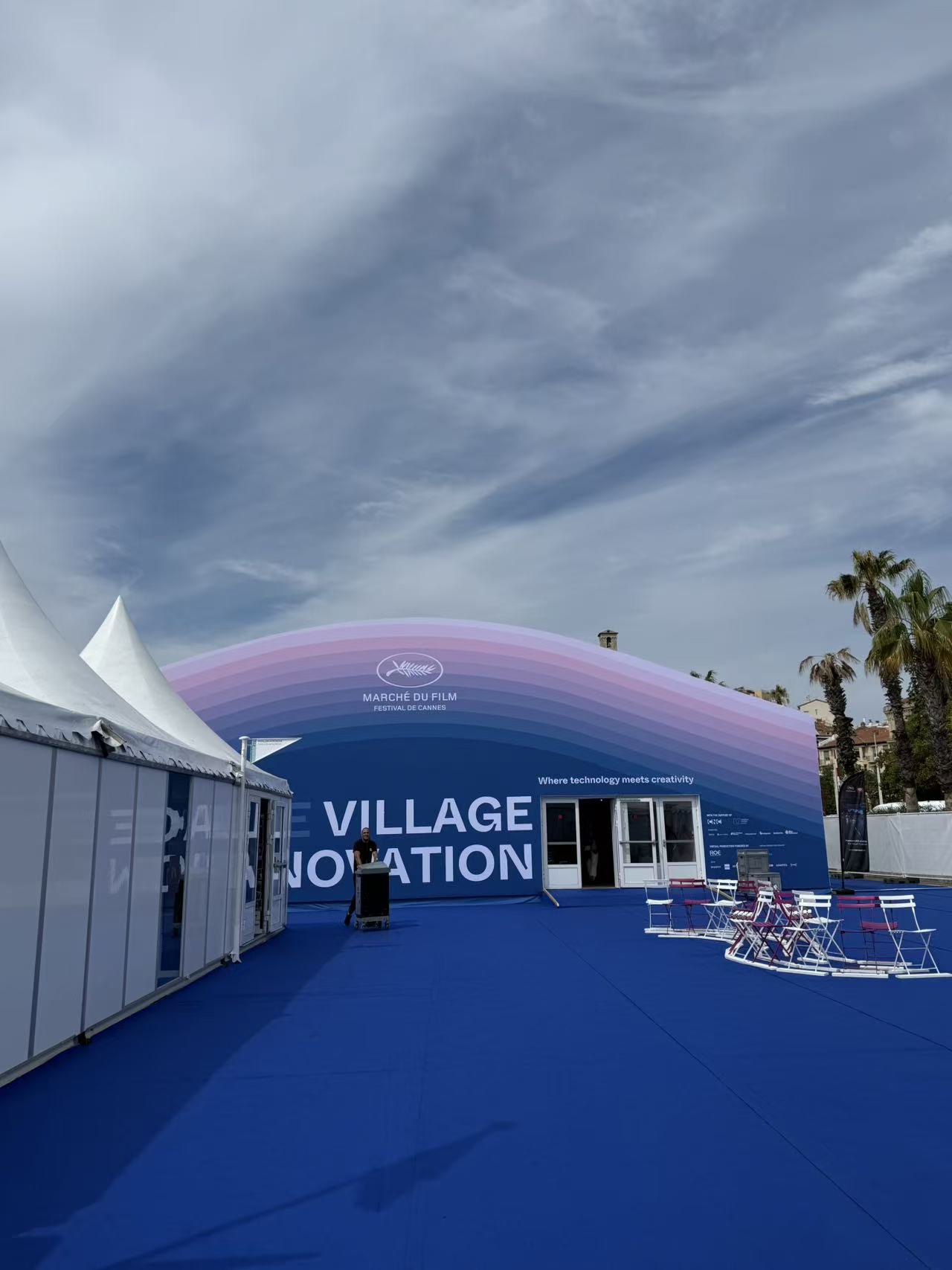
Village Innovation
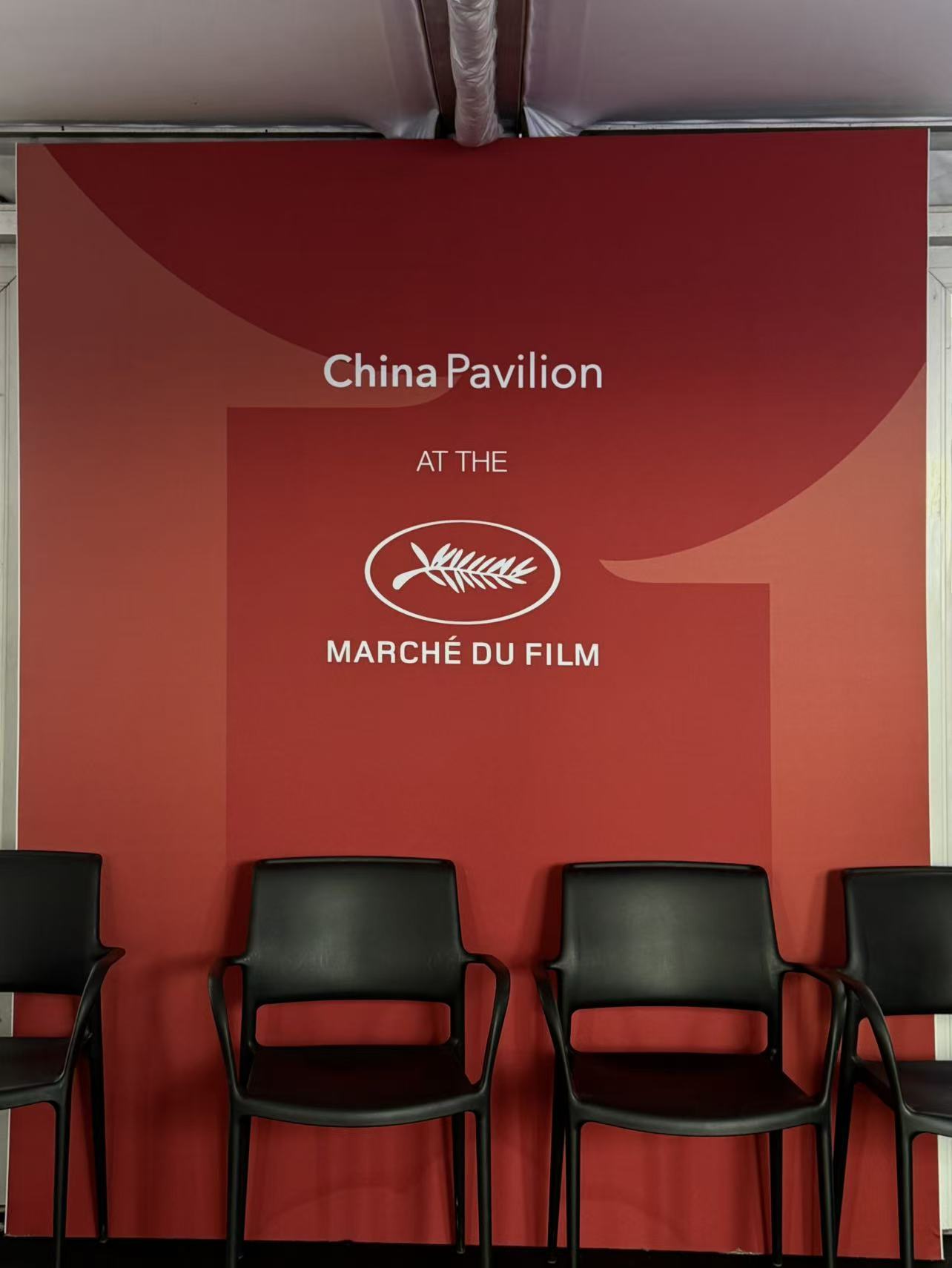
China Pavilion
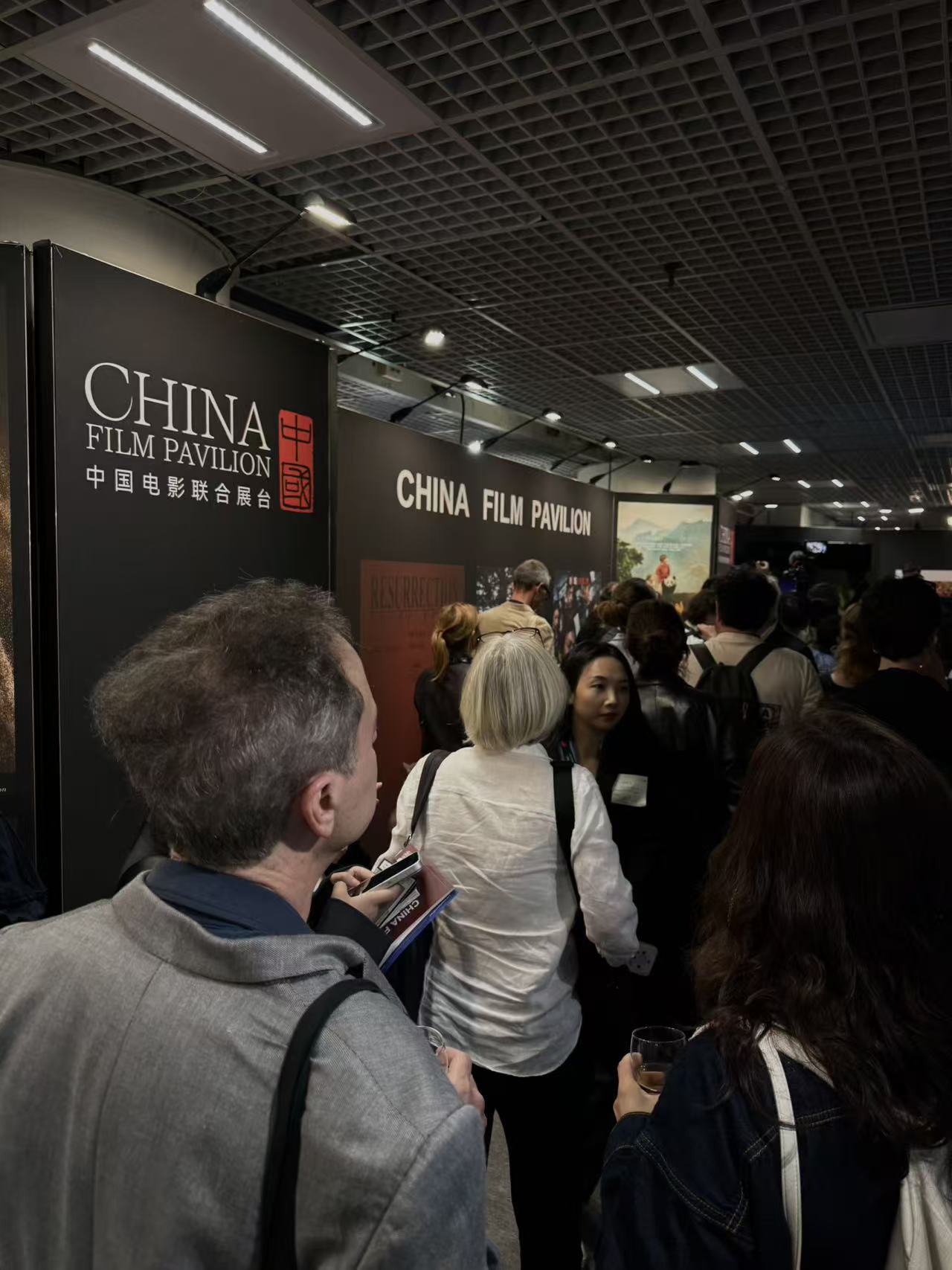
China Film Pavilion gathering
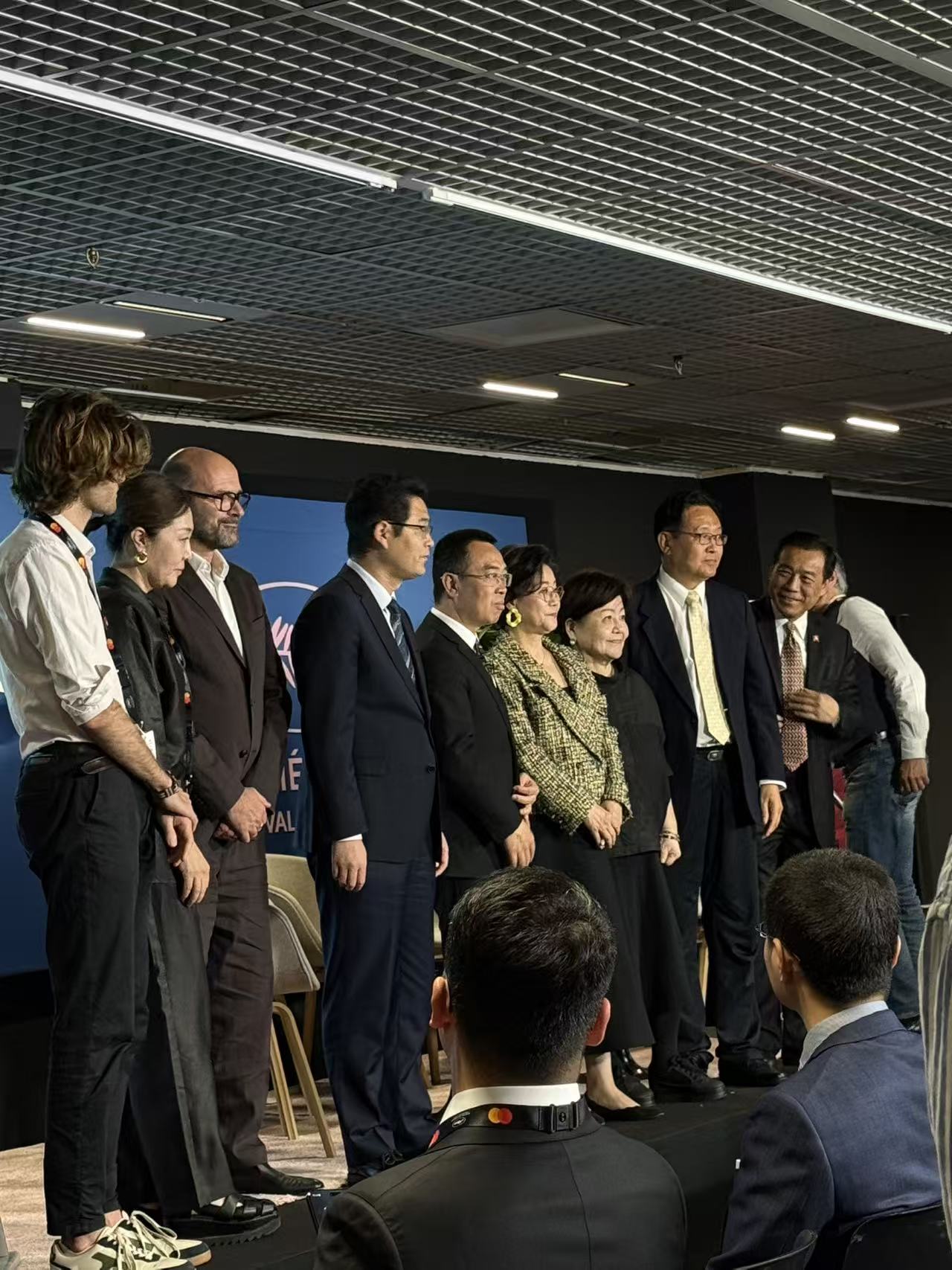
An industry event
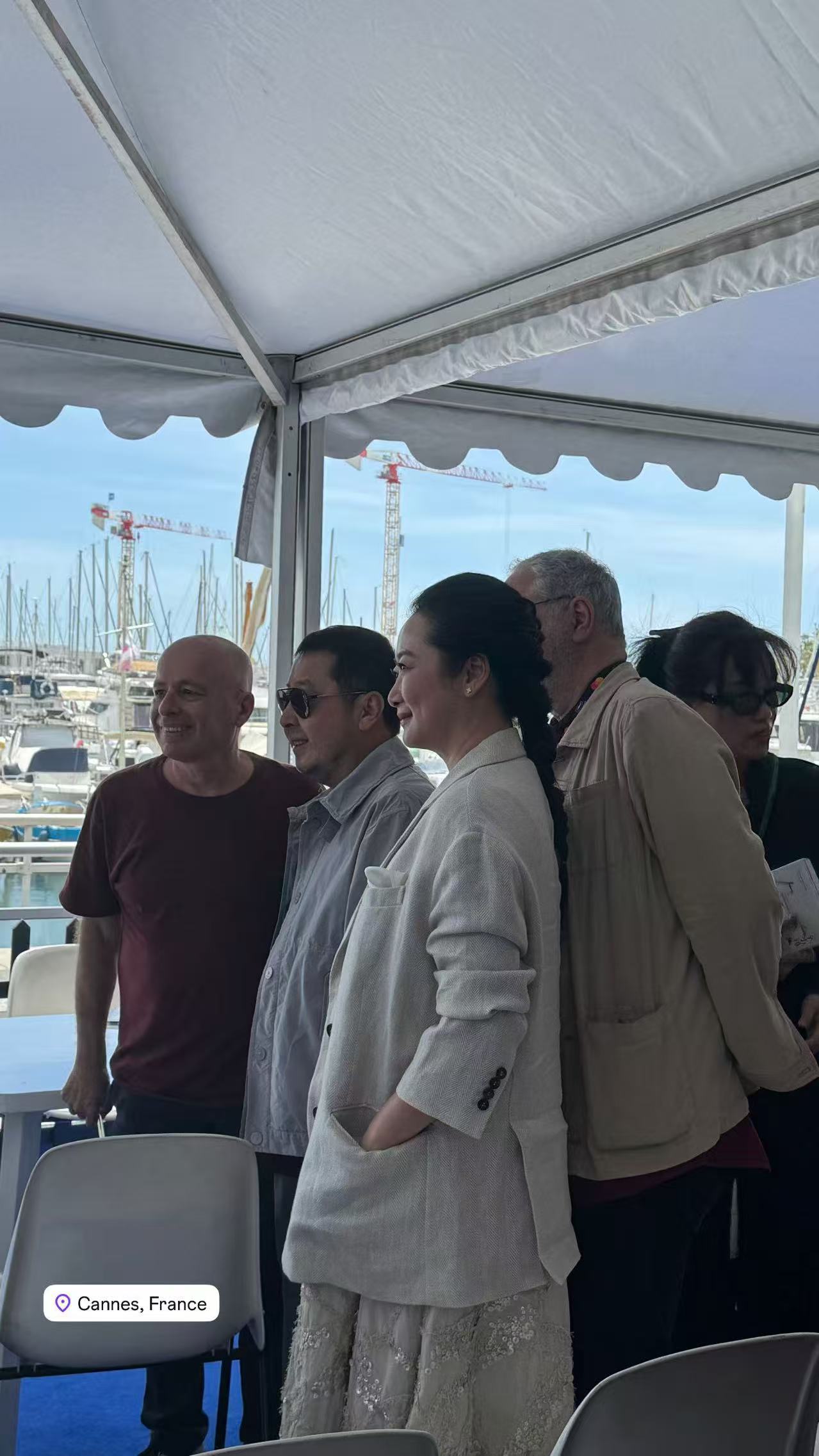
A market networking setting
在戛纳,电影如何走向交易?
来到戛纳之前,我对电影节的想象主要停留在首映、红毯与奖项。但真正进入 Marché du Film 后,我更关注的问题变成了:一部电影如何被准确地呈现给潜在合作方;一次初步接触,又如何被推进为版权预售、联合制作、融资、发行或长期合作。
电影节是文化事件,电影市场则是一个专业化的 B2B 工作场域。它不只是“卖电影”的地方,也是让不同阶段的项目匹配不同资源的交易基础设施。成片寻找国际发行与地区买家;后期项目可能寻找销售代理、首映机会或补足资金;开发中的项目则需要联合制片方、基金、平台与预售支持。
从国家展示到合作提案。International Village 的意义并非止于国家形象。政策推介、产业论坛、项目发布、圆桌讨论与一对一会谈,将本地影视生态转化为国际从业者可以理解的合作条件:电影基金、现金返还或税收激励;联合制作协定与准入条件;摄影棚、制作服务和后期资源;本地人才与内容储备;适合合作的题材、语言、市场与发行通道。
因此,国家馆呈现的不只是“本国电影”,也是一套可以进入国际生产网络的资源组合。制片人和投资方需要判断的,不只是一个地区有没有文化特色,而是自己的项目能否在那里获得资金、制作效率、政策支持与跨区域发行价值。具体政策仍需要回到对应机构核验。
公司展台的核心:降低判断成本。销售公司、制片公司与服务机构的海报、项目册、预告片、样片和会谈排期,都在帮助潜在伙伴在有限时间内筛选项目。一份有效的材料,应迅速说明五件事:项目处于什么阶段;类型与故事钩子是什么;希望寻找谁;已有资金、素材、首映与区域版权条件如何;对方参与后能获得什么权利或合作价值。
从这个角度看,项目册应当是一份面向特定对象的商业沟通文件,而不只是信息的集合。买方更需要知道可销售性、权利状态、市场定位与风险边界,而不是读到更多修辞性的“项目亮点”。面对不同合作方,同一个项目也需要不同的信息排序。
电影交易并非在展台一次完成。初次会面更多承担识别与筛选:买方确认项目是否符合自己的片单、受众与地区市场,销售方判断对方的发行能力、预算与合作意愿。双方有兴趣后,通常还要进一步看片,讨论地区、发行窗口、最低保底、营销投入与版权期限,核对权利链条、交付材料、首映条件和完成风险,再在市场结束后继续谈判、法务审核与签约。
酒会、午餐、派对和非正式会面,也不是与交易无关的附属活动。它们可以补充正式会议难以迅速建立的信任,帮助理解对方的真实需求、过往能力、审美取向与决策方式。长期关系未必立刻变成合同,却可能影响下一个项目能否进入优先评估。
对 SIFF 电影市场的启发。B2B 市场的价值,不止于把更多人聚到同一空间,而在于降低项目发现、信息验证、合作匹配与后续推进的成本。只展示“我有什么”,容易停留在信息陈列;进一步说明“我需要什么、为什么适合你、合作后如何推进”,才更容易形成具体机会。
这也让我更明确地区分“展示充分”与“信息有效”。销售代理关心跨市场可销售性;发行商或平台关注本地观众与窗口策略;联合制片方判断资源互补与权利分配;投资方需要预算、回收路径和执行能力;创作者则寻找作品实现与职业发展的支持。下表将这些对象与信息需求并列,作为项目表达的检查框架。
专业表达的作用,是减少合作双方的误读成本。好的电影市场不只是把项目展示得漂亮,而是让合作逻辑变得清楚:它是谁的项目、处于什么阶段、需要什么资源、能够提供什么价值,以及下一步应当如何发生。
In Cannes, how does a film move toward a deal?
Before Cannes, I mostly associated festivals with premieres, red carpets and awards. Inside the Marché du Film, my attention shifted: how is a film presented accurately to potential partners, and how does a first encounter become a pre-sale, co-production, financing arrangement, distribution deal or lasting relationship?
A festival is a cultural event; a film market is a specialised B2B workplace. It connects projects at different stages with different resources. Completed films seek sales representation and territorial buyers; post-production projects may need sales agents, premiere opportunities or finishing finance; development projects seek producers, funds, platforms and pre-sale support.
From national representation to a cooperation proposition. The International Village does more than communicate national identity. Policy presentations, panels, project launches and meetings explain what an industry can offer: funds and incentives, treaty conditions, studios and services, creative talent, projects and routes to audiences.
A pavilion therefore presents a set of resources that can enter an international production network. Producers and investors need to understand whether a location offers relevant finance, efficiency, policy support and distribution value—not simply cultural distinctiveness. Specific conditions must still be verified with the responsible institutions.
Company stands reduce the cost of judging a project. Posters, decks, trailers, screeners and schedules help partners make an initial assessment quickly. Effective material clarifies stage, genre and hook, the partner being sought, existing finance and rights conditions, and what participation would offer.
A deck is a business communication document for a particular reader, not merely a complete collection of facts. Buyers need clarity on saleability, rights, positioning and risk. Different partners need the same project’s information in a different order.
A deal is rarely completed at the stand. A first meeting establishes fit: the buyer’s slate, audience and territory, and the seller’s assessment of the buyer’s capacity and intent. Further viewing leads to discussion of territories, windows, minimum guarantees, marketing and licence terms. Rights, delivery, premiere status and completion risk must be checked before continuing negotiations, legal review and contracting after the market.
Receptions, lunches and informal meetings can build trust that formal appointments cannot establish quickly. They reveal needs, experience, taste and decision-making styles. Such relationships may influence which project receives serious attention next, even when no immediate contract follows.
Implications for SIFF. A B2B market creates value by reducing discovery, verification, matching and follow-up costs, not simply by gathering more people. “What I have” needs to become “what I need, why you fit and how we can proceed”.
This separates completeness from relevance. Sales agents assess cross-market potential; distributors and platforms consider local audiences and windows; co-producers examine complementary resources and rights; investors evaluate budgets, recoupment and execution; creators seek development and career opportunities. The comparison below turns those differences into a practical communication checklist.
Professional presentation reduces misunderstanding. A good market makes the collaboration logic clear: whose project it is, its stage, the resources it needs, the value it offers and what should happen next.
面对不同合作方,调整信息重点Match the information to the partner
| 面向对象 / Partner | 对方需要确认 / Key question | 表达重点 / Information to prioritise |
|---|---|---|
| 销售代理 / Sales agent | 跨市场销售潜力 / Cross-market saleability | 类型、主创、受众、可比影片、权利与阶段 / Genre, team, audience, comparables, rights and stage |
| 发行商或平台 / Distributor or platform | 当地受众与发行策略 / Local audience and release fit | 目标市场、内容定位、窗口、已有反馈 / Market, positioning, windows and response |
| 联合制片方 / Co-producer | 资源互补与共同利益 / Complementary resources and shared interests | 融资缺口、拍摄地、政策、资源与权利分配 / Finance gap, location, eligibility, resources and rights |
| 投资方 / Investor | 风险、回收与执行 / Risk, recoupment and delivery | 预算、融资结构、销售预估、团队与交付节点 / Budget, finance plan, sales estimates, team and milestones |
| 创作者 / Creator | 作品实现与职业机会 / Realising a film and developing a career | 开发支持、融资、创投、行业连接与反馈 / Development, finance, markets, connections and feedback |