← 返回作品 / Back to index
Scar痕迹
Original project image / cover
被留下的,不一定是完美的What survives need not be perfect
在景德镇,碎瓷与窑址引出一个关于保护、记忆和重逢的故事。一位不忍毁掉有瑕疵瓷器的匠人与被保护的瓷碗,在新的生命里通过相同的痕迹重新相认。
In Jingdezhen, broken porcelain and kiln sites inspired a story of protection, memory and reunion. A craftswoman who cannot bear to destroy imperfect porcelain and the bowl she protects recognise one another in another life through a shared trace.
我的参与 / My involvement
我参与史料调查、剧本与分镜写作,并承担导演、拍摄和剪辑工作。创作从景德镇的实地观察出发,将器物、劳动与被保存的记忆发展为虚构故事。
I undertook historical research, wrote the script and storyboards, and worked on directing, camera and editing. Observations in Jingdezhen developed into a fictional story about objects, labour and the memories that survive.
当器物的价值不再由完美决定
When value is no longer defined by perfection
裂痕往往被视为价值的损失,但它也可能保存一件器物经历过的时间、匠人的劳动,以及某次不忍舍弃的选择。我想把观看的重心从“它是否合格”移向“它经历过什么、曾被谁珍惜”。影片中的伤痕因此不仅是辨认彼此的线索,也使被排除在完美之外的生命重新获得被看见的可能。黑白影像将注意力留给瓷器的纹理、人物的皮肤与光影,让器物和人的命运产生联系。
A crack is often treated as a loss of value, yet it can preserve time, labour and a decision not to discard something. I wanted to shift attention from whether an object meets a standard to what it has lived through and who has valued it. The scar becomes both a sign of recognition and a way for a life excluded from perfection to be seen. Black-and-white images connect the texture of porcelain with skin and light.
故事大纲
Synopsis
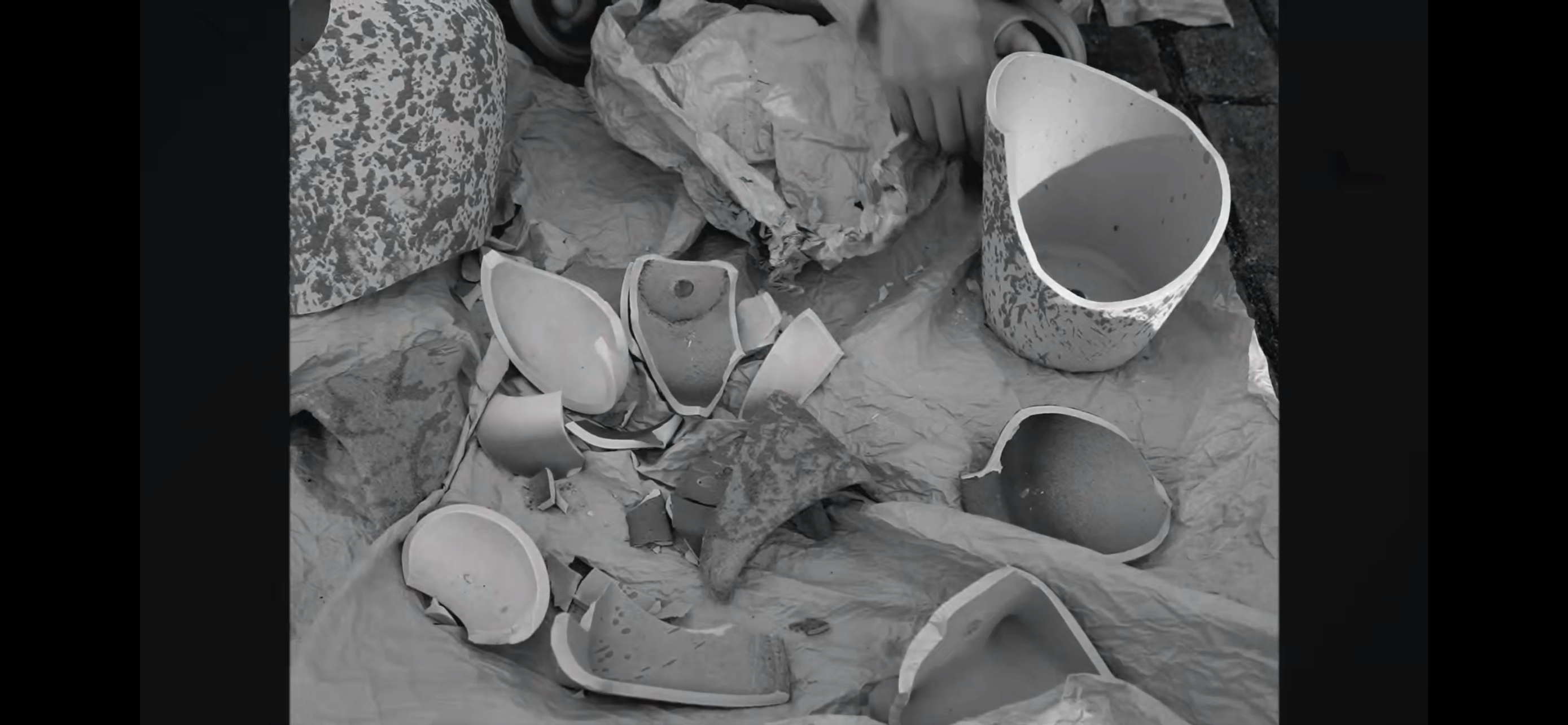
朝廷下诏烧制贡瓷,一位女瓷匠奉命赶制瓷碗。在影片的虚构规制中,除敬献帝王的上品外,其余成品都必须砸碎掩埋。工匠不忍毁掉自己的作品,偷偷藏起略有瑕疵却仍可使用的瓷碗,事发后受到严惩。岁月流转,一只幸存的瓷碗转世为客栈老板娘,穷尽半生寻找当年救下自己的匠人。她多年照料门前摊贩的生意,收藏了许多瓷器,两人渐渐建立深厚情谊。直到某日,她发现彼此手上竟有一模一样的印记。
A female potter is ordered to make bowls for the imperial court. Under the fictional rules of the story, all but the finest tribute pieces must be broken and buried. Unable to destroy their work, the potters hide imperfect but useful bowls and are punished when discovered. Centuries later, a surviving bowl is reincarnated as an innkeeper who searches for the artisan who saved her. Over many years she supports a vendor outside her inn, collecting porcelain and forming a close bond. One day, she notices identical marks on their hands.
Original still: broken porcelain
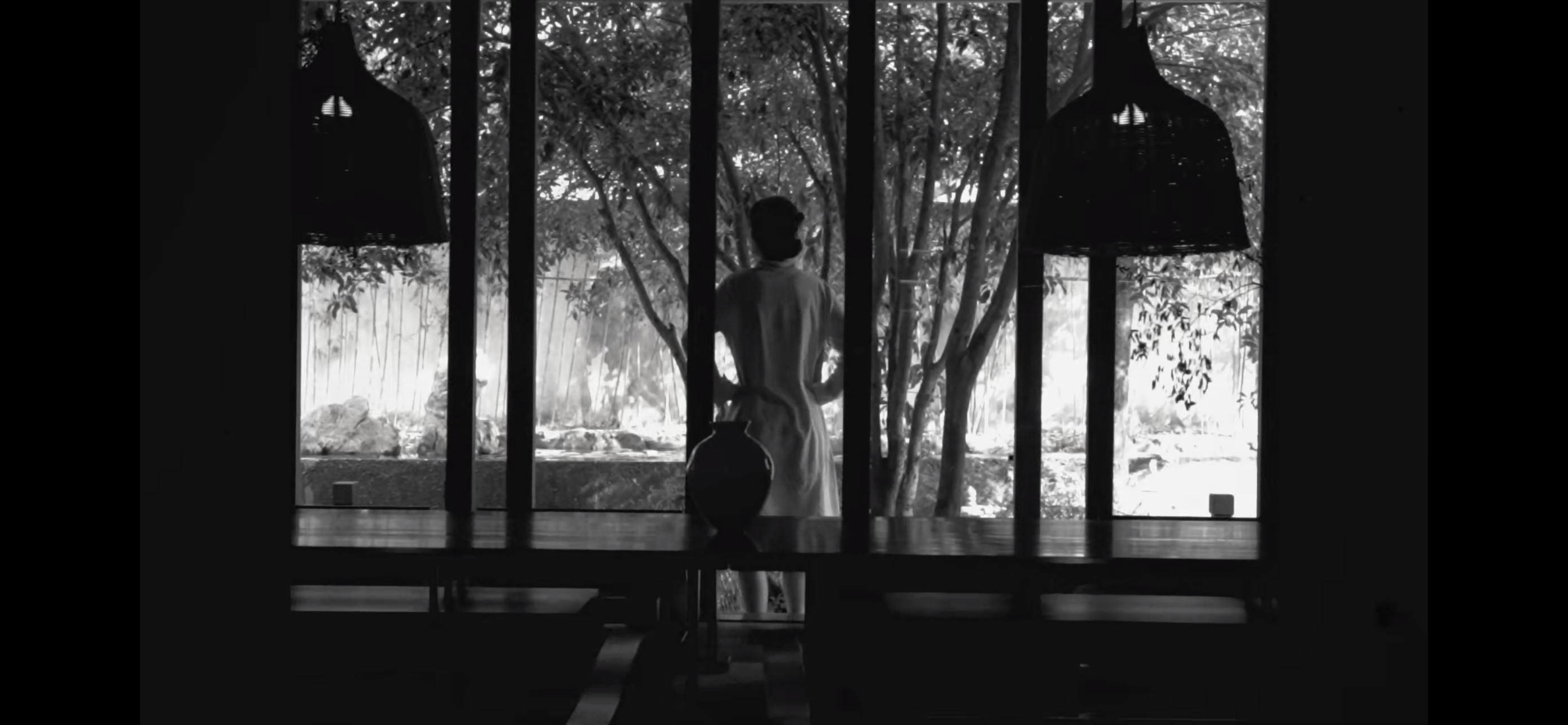
A figure and the space around her
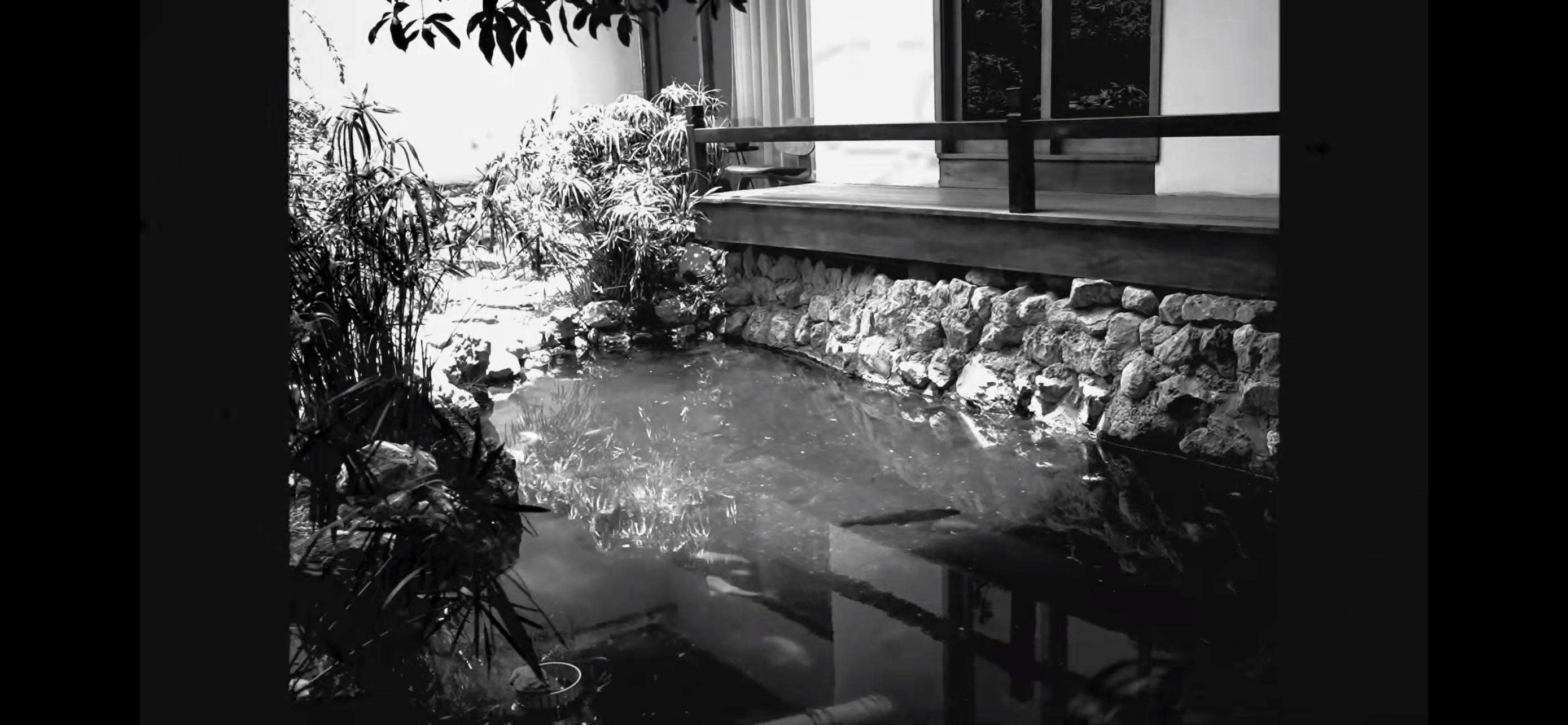
Courtyard, water and a sense of time
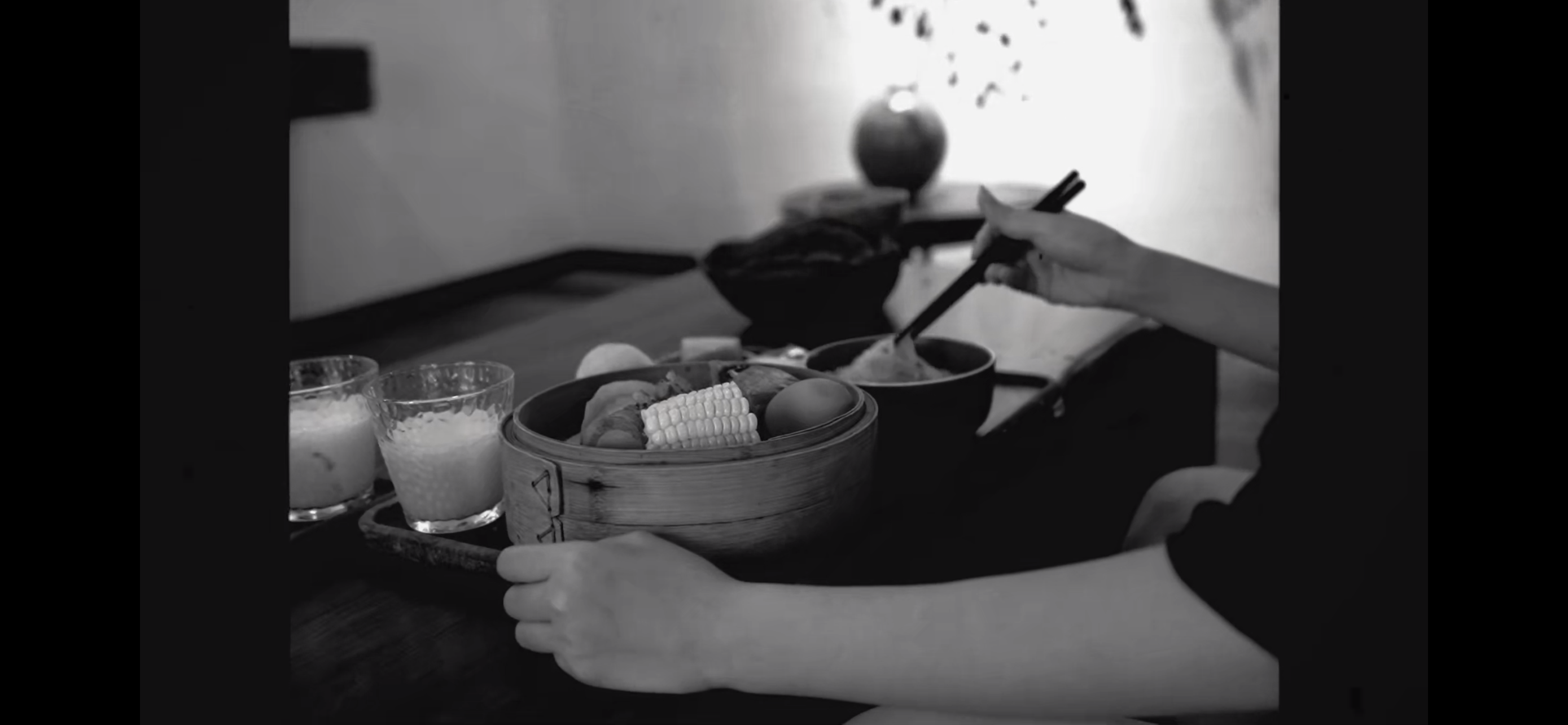
Objects within everyday life
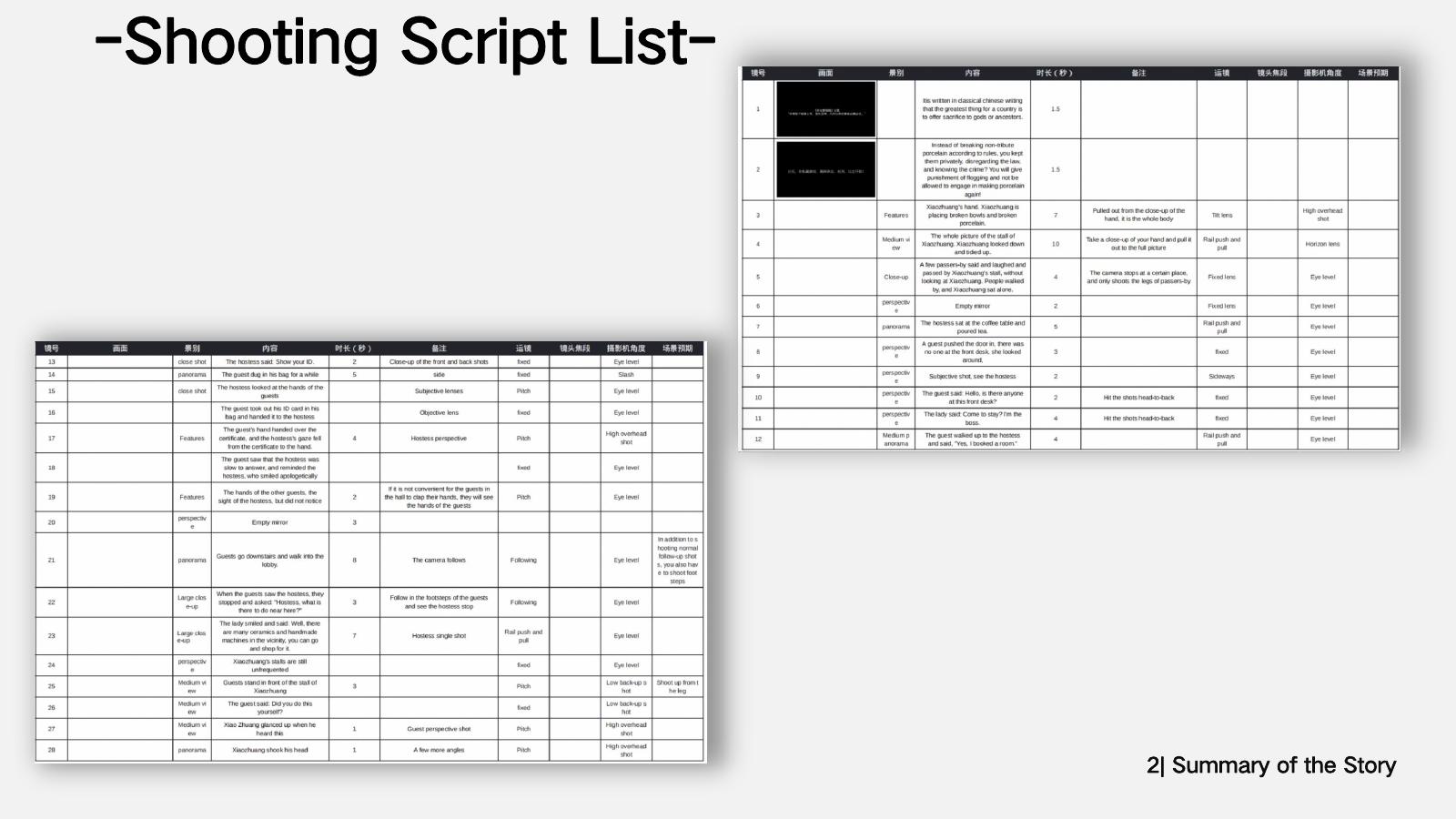
Original lookbook: shot list
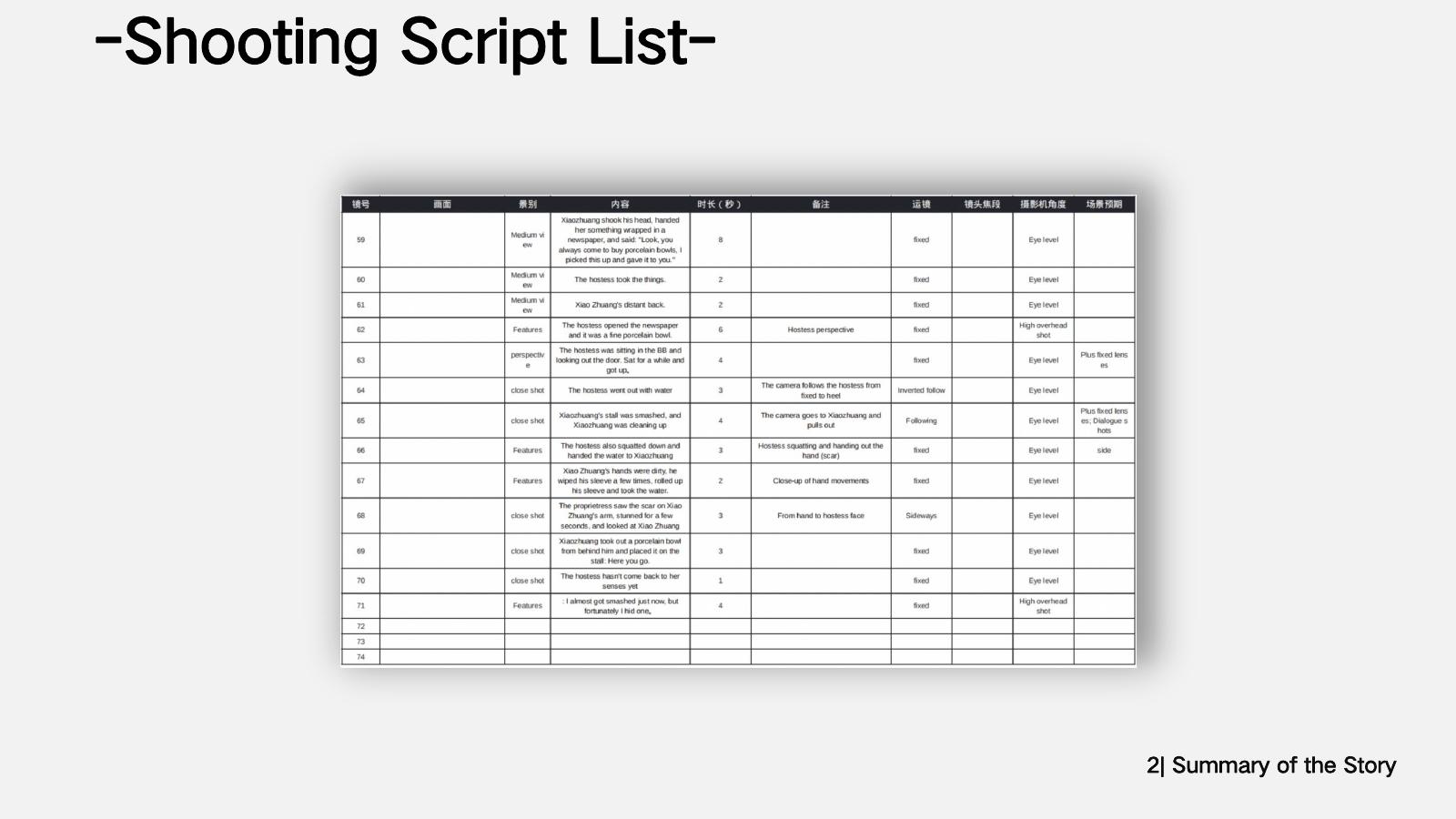
Original lookbook: shooting plan
那些未被允许完整留下的器物
我来到瓷都景德镇,协助同学拍摄一部纪录片。那座瓷器博物馆给我的第一印象很特别:一只巨大的青花瓷缸被支撑起来,四周散落着无数碎瓷片。面对它,你几乎能直观感受到制作这件器物耗费的心血。馆内展出带着裂痕的瓷器,器物下方又堆放着残片。这是我第一次走进一座不以“完美”为展示中心的博物馆。
关于御窑拣选与落选器物处理的材料,成为我理解这些残片的线索,也引出了创作中的追问:如果碎片拥有生命,它们会诉说什么,会接受这样的命运吗?而倾注心血烧制它们的工匠,是否想要守护自己的作品?影片中的严苛规制与转世情节,是以此为起点的虚构创作,而不是对某一朝代制度的完整复原。
来到景德镇之前,我已经做了大量调研。但当亲眼看见掩埋着无数瓷片的遗址坑、直面馆中残瓷时,内心依然澎湃。资料提供了理解的线索,现场却让我感受到那些器物的重量:它们不是抽象的历史,而是曾被一双双手反复制作、修整与等待的东西。
无数个夜晚,我漫步在早已不再冒烟的巨型烟囱下,走过昔日御窑旧址、明代路面残垣与博物馆旁的老旧阁楼。目之所及,让我不断想象数百年前这里发生的一切。一个关于匠人与瓷碗的故事,也在这样的行走中逐渐成形。
基于这份遐想与实地感触,我们完成了《Scar》。受时间与人力条件所限,影片仍有粗糙和不足,但它保留了我在景德镇最真实的心境。日后回看,我仍能清晰记得:清凉夏夜,月光铺在明代遗址的路面上,烟囱的剪影静静落在大地。
The objects that were not allowed to remain whole
I came to Jingdezhen to help a classmate shoot a documentary. The porcelain museum made an immediate impression: an enormous blue-and-white jar stood supported above scattered fragments. The labour behind it felt almost tangible. Cracked vessels were displayed above more broken pieces. It was the first museum I had visited that did not place perfection at the centre.
Accounts of imperial-kiln selection and the treatment of rejected objects prompted questions. If these fragments were alive, what would they say? Would they accept their fate? Would the artisans want to protect what they had made? The film’s harsh rules and reincarnation story are fictional developments of these questions, not a complete reconstruction of any dynasty’s institutions.
I had researched extensively before arriving, yet standing before the buried fragments and damaged vessels was still overwhelming. Research offered context; the site made the objects feel physical and human—things repeatedly shaped, refined and waited for by individual hands.
At night I walked beneath chimneys that no longer smoked, past the former imperial kilns, remnants of Ming-period paving and old buildings beside the museum. These places kept drawing me into imagining what had happened centuries earlier. The story of a potter and a bowl gradually took shape through those walks.
Scar grew from that mixture of imagination and direct experience. Limited time and crew left rough edges, but the film preserves how Jingdezhen felt to me. Watching it again, I still remember the cool summer nights, moonlight on old paving and the silhouette of a chimney resting on the ground.